
Blogging allows individuals to share knowledge, build communities, and generate income through online content. Successful bloggers focus on a specific niche rather than a broad audience, combining personal passion with solutions for their readers. This strategic foundation helps establish expertise and attract a loyal following from the start.
Starting a blog involves selecting a platform, securing a domain name, and choosing reliable web hosting. Success requires creating readable, search-optimized content and maintaining a consistent posting schedule. Promoting posts through social media and email marketing ensures long-term growth and visibility within the digital landscape.
Starting a blog sounds easy – but most beginners quit within weeks. In this guide, you’ll learn exactly how to start blogging from scratch and turn it into something meaningful (and even profitable).
If you’re a beginner wondering how to start blogging in 2026, this step-by-step guide will help you. The goal of this guide is to make sure that everything involved in blogging is clearly understood and explained. Your First Step into the Blogosphere: A Beginner’s Guide to Start Blogging.
What is Blogging?
Blogging is the process of creating and publishing content online to share knowledge, ideas, or earn money.
Blogging has a definite appeal about it. Blog can be an excellent way of expressing yourself, creating a community based on a common interest, gaining expertise in a particular field, and even earning money through it.
Despite the initial intimidation of the idea of starting a blog, which may be associated with numerous tech terms and decisions to make, the entire process will definitely turn out to be very fulfilling.
Why to Start a Blog?
Before delving into the ‘how’ aspect, there’s a question to ask yourself regarding the ‘why’. There are many reasons why people decide to start their own blog, and all are equally valid. For some, it is merely an artistic endeavor, a virtual journaling space where one can express their ideas and share stories.
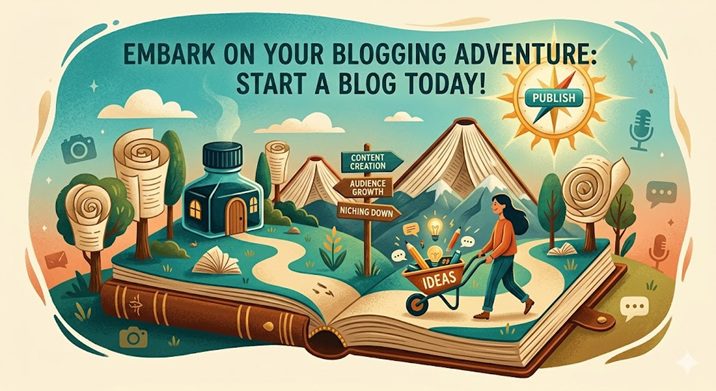
For others, it can be a strategic move, helping them gain expertise within their industry, attracting potential customers to their businesses or portfolios. It may also provide them with opportunities to network and find other people who share the same passion and interests.
Finally, it can give them additional sources of revenue from advertisements, affiliate marketing, and sales of goods or services.
How to Start a Blog (Step-by-Step)
1. Choose a Niche
Finding Your Voice: The biggest mistake many new bloggers make is the tendency to try and cater to everyone. As much as we live in an era characterized by a wide variety of blogs, specializing in a certain area will determine whether a blogger succeeds or fails.
Most beginners choose the wrong niche. For example, starting a general blog rarely works – you should pick a focused niche like tech, finance, or fitness.
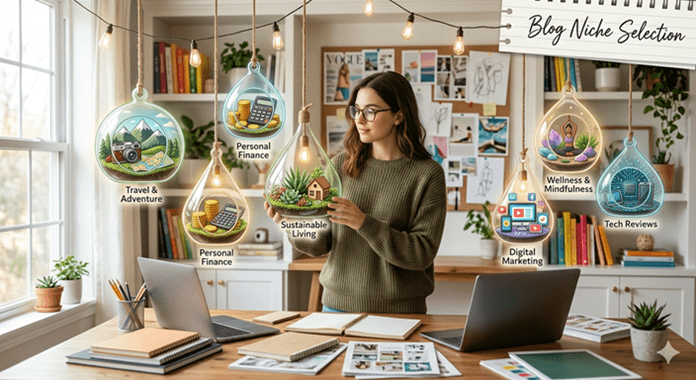
Always choose a focused niche – broad blogs rarely grow. You should always be focused when it comes to blogging. There should be a niche that you want your blogs to specialize in. Consider what you like doing, or rather what problem you could help solve or share your unique views on.
- Could there be some hobby you can impart onto people?
- Are you knowledgeable in a certain industry?
- Do you possess the ability to explain intricate issues in simple terms?
Passion Meets Problem-Solving
The first step to finding a niche is by asking yourself, “What am I passionate about?” and “How do I keep myself motivated?”
Next, think about your audience: “What are their problems and how can I solve them?” or “What kind of content would interest them?” Whether it’s green living advice, code hacks for programmers, or indie gaming reviews, defining a niche will allow you to develop a loyal following.
2. Select A Blogging Platform
Where Will Your Words Live? Now, that you have an idea on what topics you wish to explore through your blogging, the next thing you need to consider is where you can post it.
There are various online websites that cater to bloggers, and each of them has its respective pros and cons. WordPress (either .org or .com version), Squarespace, Wix, and Blogger are some of the most common blogging websites today.
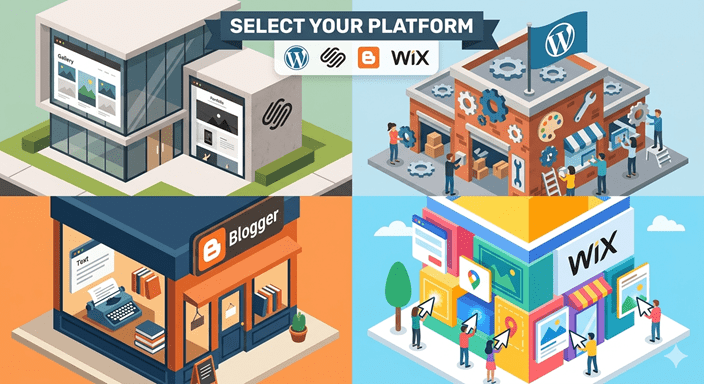
The most recommended platform for most professional bloggers is WordPress.org. It’s the best because it gives users full control of how their blog will look and grow. Although there is a learning process involved when you choose to create your blog using this particular website, all that hard work is worth it because once you master it, you’ll get to reap all its perks.
Another alternative is Squarespace and Wix, which provide drag-and-drop features and are perfect for beginners who prioritize simplicity in creating their blogs.
3. Buy Domain and Hosting
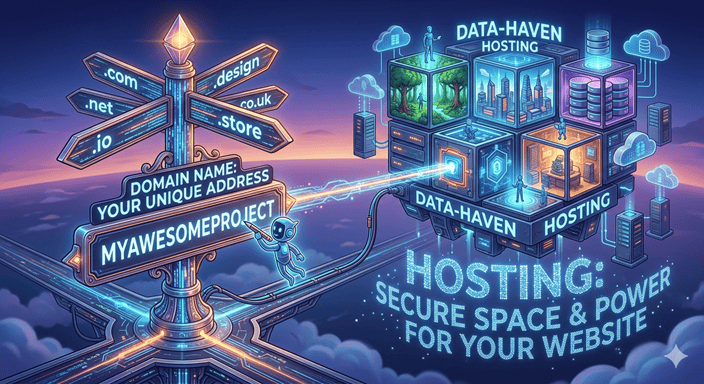
Laying the Foundation for Blogging: With your platform sorted out, it’s now time to create your own online identity and home for your blogs. In doing this, you will need to take into consideration two main elements: the domain name and the website hosting service.
Domain Name: What’s in a Name?
The domain name refers to the online address of your website (e.g. yourblogname.com). You will have to find a good domain name that would be easy to remember and simple to spell. Also, it would help if you tried making sure that the name reflected the theme of your website. Try to stick with something shorter and not including any hyphens or numbers as this might be confusing for some people.
Hosting: The Importance of Reliable Hosting
Web hosting refers to the services used to store all the necessary files of your blog and allow access by visitors through the internet. Web hosting can be likened to the rental costs that one pays for having their blog on a piece of land on the World Wide Web.
The importance of selecting dependable hosting services cannot be overlooked because it affects the performance and availability of your blogs. Some of the trusted hosting services include Bluehost, SiteGround, and WP Engine.
4. Create Engaging Content
What Your Blog Thrives On: After completing the technical process, the fun can now begin. This is because creating engaging content is where the real action takes place. Content is what brings people to your blog and keeps them there.
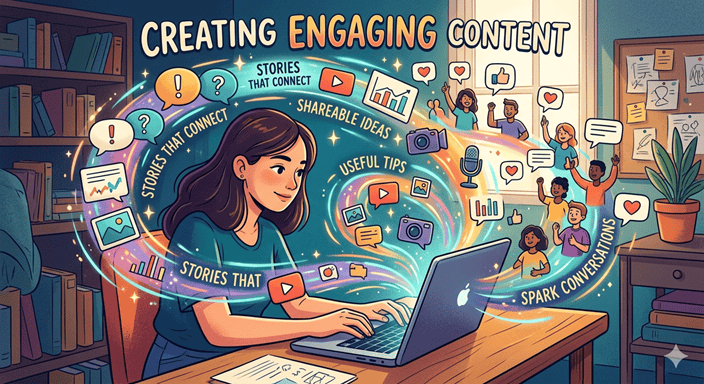
Content Calendar and Brainstorming
In order to stay consistent and not experience writer’s block, create a content calendar. Think about all the topics that you could write on within your niche and how you could cover them (how-to guides, opinions, reviews, listicles, etc.). Think about your posts several weeks or months ahead.
This will make sure that you have enough ideas for writing new blog’s posts on an ongoing basis.
Blogging vs Essay Writing
Blog writing and essay writing have their own distinct differences. Readers on the internet usually scan articles online, so you must keep your work simple and readable. Make use of short paragraphs, subheadings (H3, H4 tags), bullet points, and bold fonts to avoid lengthy passages of text.
Remember that you should always aim to give your audience something valuable or answer any queries they may have. Also, ensure to insert appropriate keywords in your writing without sacrificing its readability.
5. Promotion and Consistency
Spreading the Word: The creation of a wonderful blogs is only part of the story. In order to attract readers, one needs to engage in constant promotion of their blogs via various means. One can share their fresh posts on all social media platforms, start a mailing list to notify their subscribers about newly released blog posts and look into the option of writing guest posts on other blog in the niche.
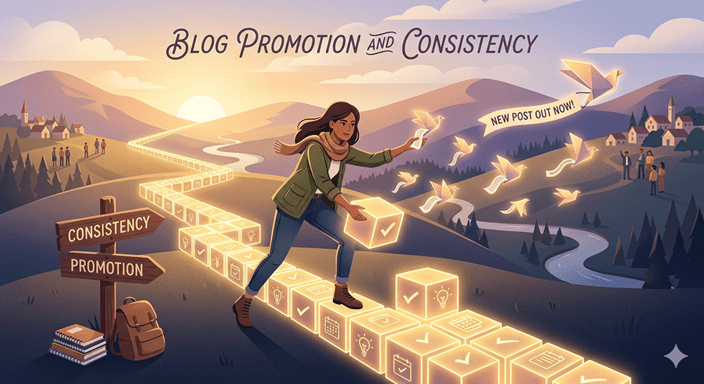
Another important aspect here is SEO (Search engine optimization) of blog posts. This includes the usage of keywords, the development of good meta descriptions and linking of related blog’s posts together.
A blog should be seen as a long-term commitment which requires patience, constant learning and mostly passion towards your theme of blogging. There will be days when things do not go smoothly, posts receive less attention than one hopes for and technical difficulties arise.
However, such situations should not scare one but help them improve and develop a more effective strategy. At the end of the day, everything depends on how one approaches their work. Therefore, the main lesson here is that you should start your blogs and keep going.
Conclusion
Starting a blog in 2026 is an exciting journey that combines passion, strategy, and consistent effort. By following this step-by-step guide – from choosing a focused niche and selecting the right platform to creating engaging content and promoting it effectively – you’re well on your way to building a meaningful and potentially profitable online presence. Remember, success in blogging is a marathon, not a sprint. Embrace the learning process, stay patient, and most importantly, keep sharing your unique voice with the world. Your audience is waiting!
Frequently Asked Questions (FAQ)
What is blogging?
Blogging is the process of creating and publishing content online to share ideas, knowledge, or earn money.
How do I start blogging?
To start blogging, you should choose a niche, select a blogging platform, purchase a domain name and hosting, and consistently publish engaging content.
Is blogging free?
While some platforms like Blogger offer free options, self-hosted blogs typically require costs for a domain name and web hosting.
How long does it take to start a blog?
You can set up a basic blog in under 30 minutes by choosing a platform, registering a domain, and publishing your first post. However, building a successful blog takes ongoing effort.
What are some pro tips for beginner bloggers?
Focus on a specific niche, maintain consistency in your posting schedule, and don’t expect instant results. Building a loyal audience and generating income takes time and dedication.


